Published 3 November 2026 · 7 min read
Why visitors make the uphill journey
The House of the Virgin Mary, known locally as Meryemana, is a small shrine on Mount Bülbül near Selçuk. Many visitors come as pilgrims; others arrive to understand a place that appears in the wider story of Ephesus. The best visit begins by recognizing that these are overlapping but different reasons to be there. You do not need to share a particular faith to behave thoughtfully, and you do not need to treat a religious site as an archaeological proof of every tradition associated with it.
Tradition and evidence are not the same thing
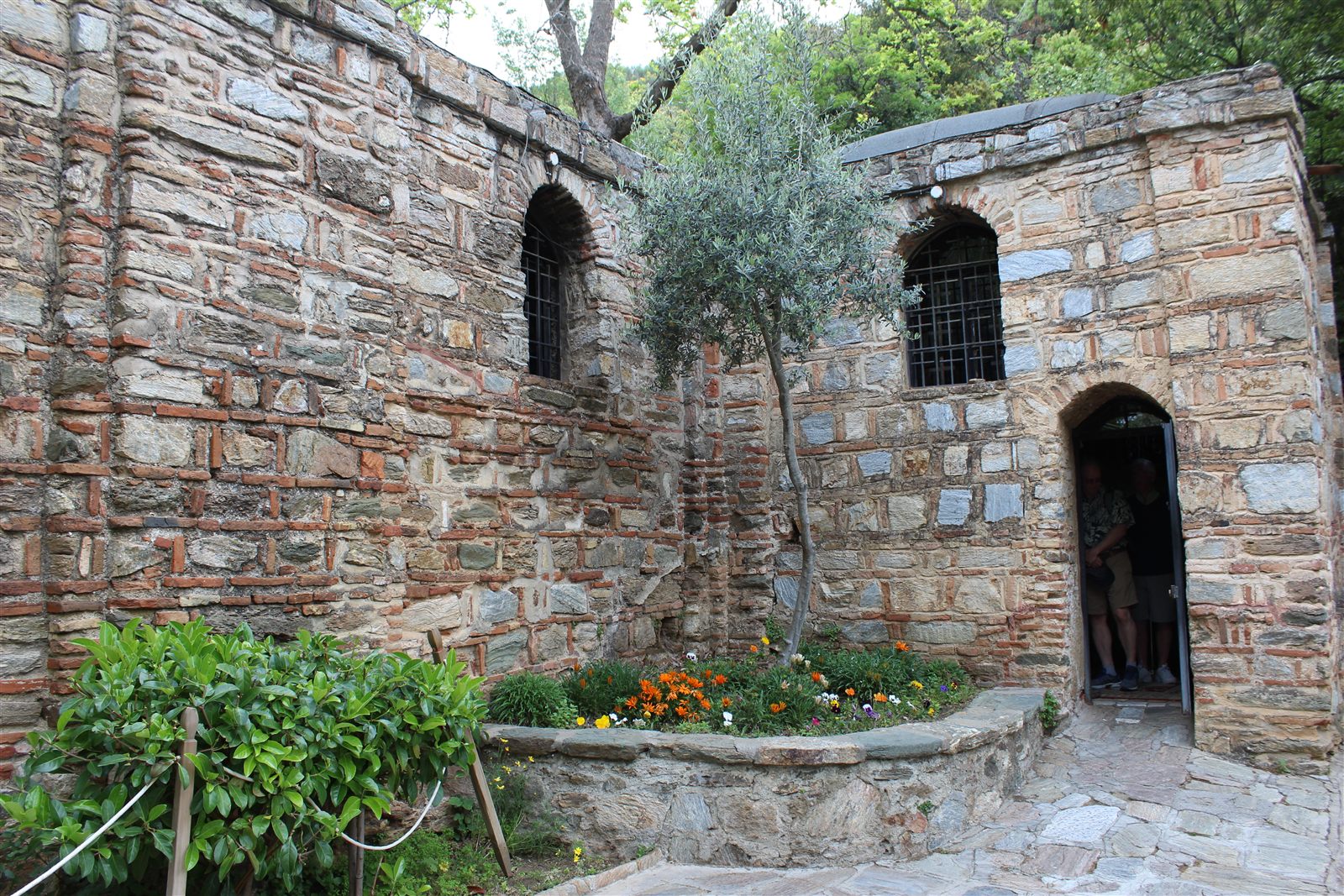
The Turkish Ministry of Culture and Tourism’s Cultural Portal describes the house as the place where Mary is believed to have spent her final years, following a tradition connecting her with John and Ephesus. It also recounts how the location became associated with the house in the nineteenth century. Go Türkiye likewise presents it as a sacred Christian pilgrimage destination and uses the language of belief. That wording matters: the site has religious significance, while the claim about Mary’s residence belongs to tradition rather than a universally established archaeological conclusion.
Do not confuse the shrine with the Church of Mary
One common source of confusion is that there are two distinct places in the Ephesus area associated with Mary. The House of the Virgin Mary is the small shrine on Mount Bülbül outside the ancient city. The Church of Mary is an archaeological ruin within the ancient city and is the monument discussed in the UNESCO description of Ephesus. They relate to different histories and are not interchangeable names for one building. If your guide or map says “Church of Mary,” ask which location is meant before setting out. Our Ephesus visit-planning guide can help position the ancient city and nearby stops in one itinerary.
Plan the drive before choosing the order
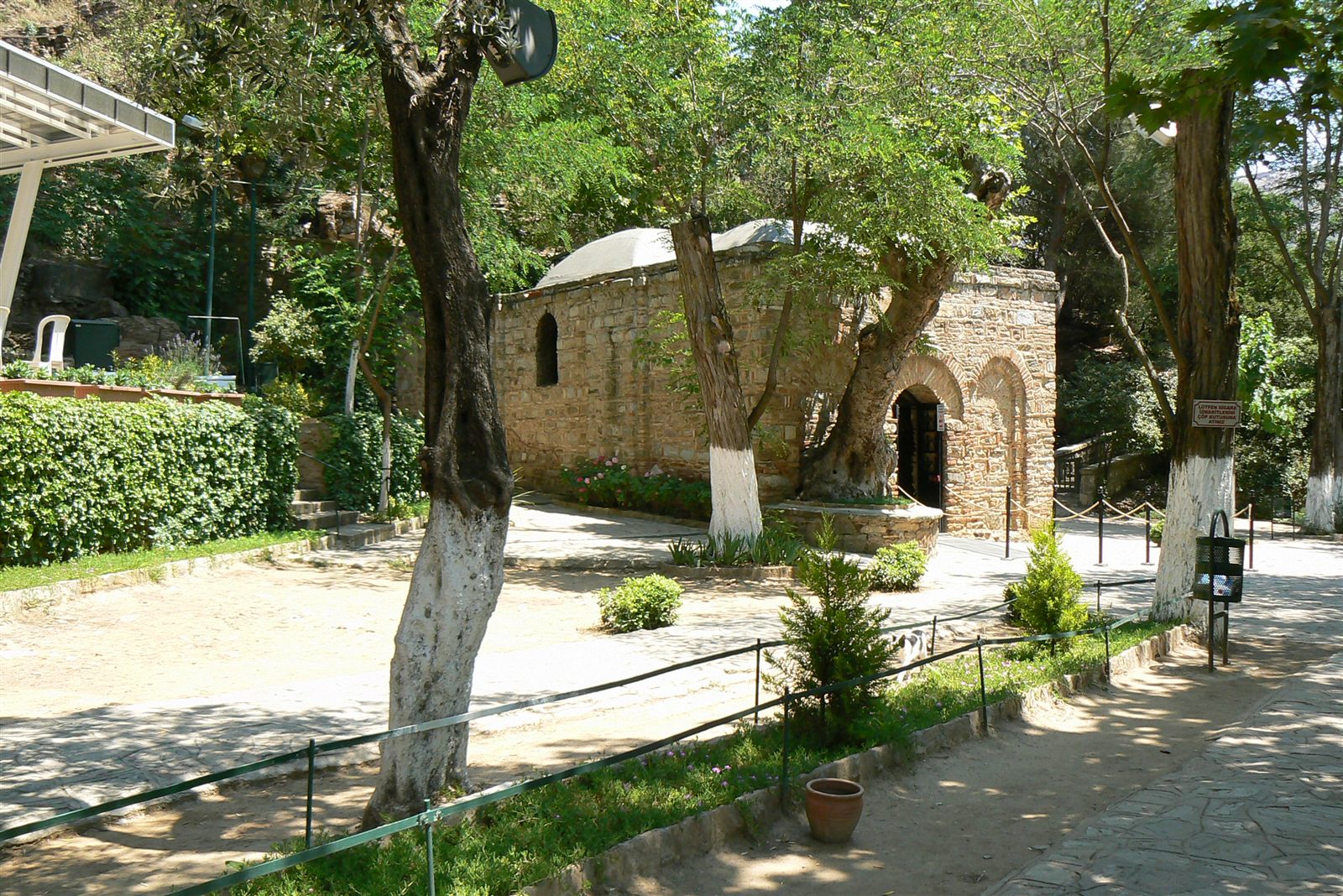
The official Cultural Portal places the house about nine kilometres from Selçuk and describes the approach as a road up Mount Bülbül. The short distance does not guarantee a short transfer: the route is uphill, and actual travel time depends on the day, traffic and pickup point. Confirm the return ride before arrival, especially if you are travelling independently or have a fixed ship deadline. Do not rely on an old timetable, an assumed taxi queue or a tour description that does not name the stops.
What the visit feels like
Expect a compact religious setting rather than a second large ruin complex. The chapel, its immediate surroundings and the hillside context are the focus. Go slowly enough to notice the transition from the road and visitor areas into a place of prayer. The Ministry’s Cultural Portal notes that the structure has been restored; this can help you avoid assuming that every visible surface is untouched ancient fabric. Read the short interpretive information available on site, and ask your guide to separate documented details from devotional accounts.
Water, the wish wall and personal practice
Visitors may notice water sources and a wall where people leave written wishes or tied tokens. Go Türkiye mentions these features as part of the visitor experience. People use them in different ways, and the gestures should not be turned into guarantees of healing, answered prayer or a particular outcome. If you choose to take part, do so simply and follow the site’s current instructions. Do not remove objects, write on historic fabric or leave litter. If you prefer to observe, that is equally appropriate.
Respectful photography and dress
Treat the chapel and prayer areas as places where people may be worshipping. Keep voices low, silence phone sounds and look for any signs about photography before taking pictures. Even where photography is permitted, avoid photographing identifiable visitors at close range without consent. Ask before including a person in a shot, and never block an entrance to frame an image. Choose comfortable clothing for the drive and walk, while keeping a modest, respectful approach in a sacred space; if staff indicate a specific requirement, follow it.
Combining Meryemana with Ephesus
Many travellers want to see the hilltop shrine and the ancient city on the same day. It can be practical when transport, entry arrangements and the group’s pace allow it, but the two stops offer different experiences. Ephesus involves a broad outdoor walk across archaeological remains; Meryemana is a focused religious visit reached by road. Decide whether you want the ancient city first while energy is fresh, or the quieter shrine first, then verify current access for both. Avoid adding several other Selçuk attractions by default. The Biblical Ephesus shore excursion is a place to review the tour route and ask what is included; confirm every stop and transfer directly before booking.
Cruise timing, mobility and family needs
If you are visiting from Kuşadası on a cruise call, plan backward from the ship’s all-aboard time, not its scheduled departure. Allow time to disembark, reach the mountain, complete the visit and return with a traffic buffer. Ask the operator to state the meeting point, inclusions and return plan clearly. The hill road and the site’s surfaces may not suit every mobility need, so request details about the exact path, steps, seating and vehicle drop-off in advance; do not assume step-free access.
Leave with context, not a rushed checklist
A meaningful first visit does not depend on staying for a fixed number of minutes or completing every nearby attraction. It depends on knowing which place you have reached, understanding the difference between religious tradition and archaeological certainty, and treating worshippers and residents with care. Check current access and transport shortly before travel; prices, hours and operating arrangements can change, so this guide deliberately avoids quoting them. The official references below provide the historical and visitor context, while the site itself is the authority for conditions on the day.
Confirm the current access, transfer and return plan directly before your visit.
Sources
All guides
- Can you add Şirince after Ephesus? A relaxed half-day plan
- Plan your Ephesus visit: routes, timing and tips
- Is the Basilica of St John worth visiting after Ephesus?
- After the ruins: should you visit the Ephesus Museum in Selçuk?
- Visiting Ephesus from the Kuşadası cruise port
- The Library of Celsus
- The Great Theatre of Ephesus
- The Terrace Houses of Ephesus
- The House of the Virgin Mary
- The Temple of Artemis