Published 2026-10-30 · 6 min read
Why add the museum to your day?
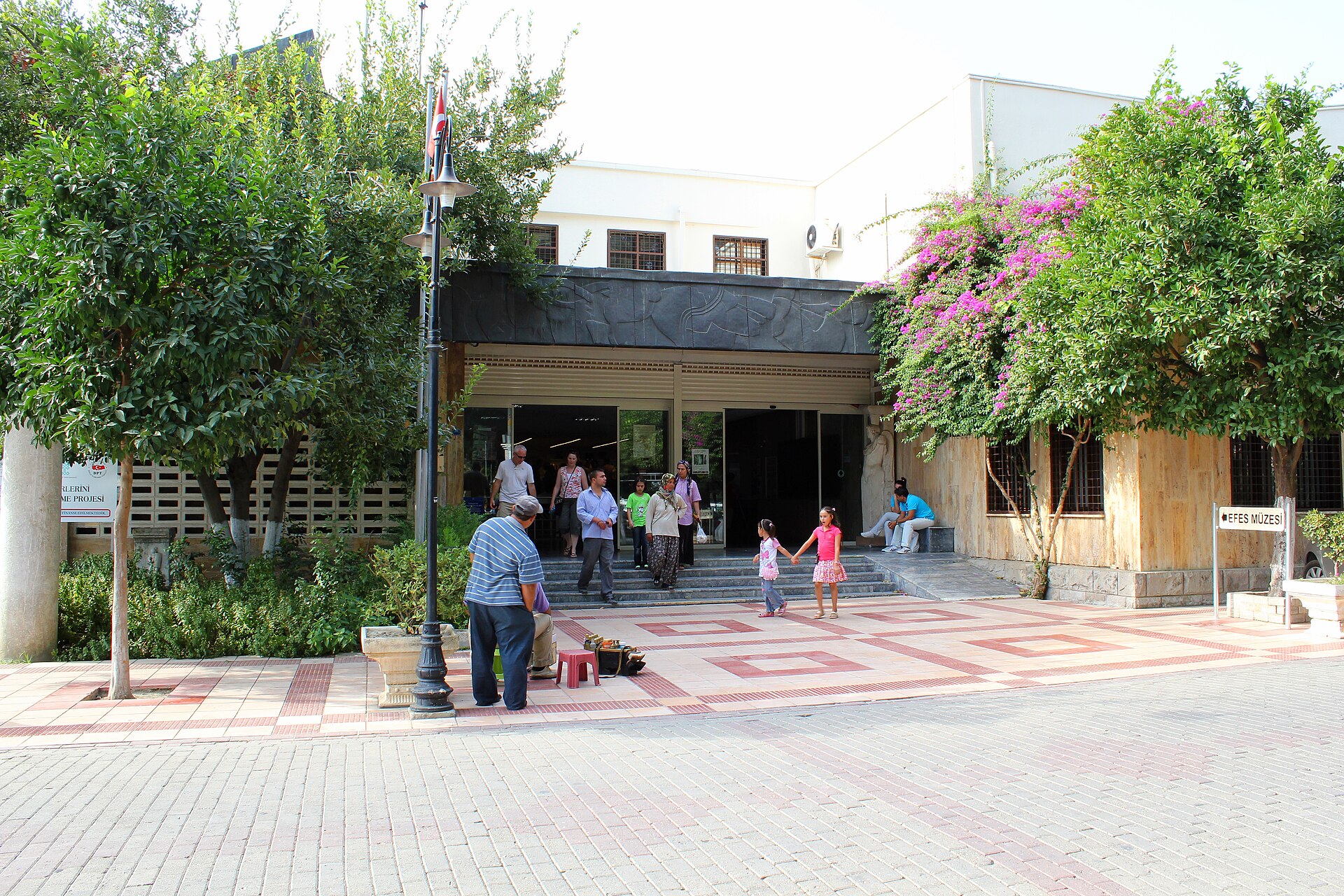
Yes, the Ephesus Museum is a worthwhile second stop after the ancient city if you want to understand the objects that once belonged to its streets, houses and sanctuaries. The archaeological site gives you scale: a theatre, broad streets and the Library of Celsus. The museum brings you close to sculpture, small finds and details that are harder to appreciate outdoors. It is in Selçuk, the town that anchors the wider Ephesus landscape. This pairing works especially well for visitors who would otherwise leave the ruins remembering only façades. It also offers a quieter indoor change of pace after walking among exposed stone. Give the museum its own place in your plan rather than treating it as a hurried souvenir stop.
Understand the wider Ephesus story
Ephesus was not a single, unchanging city. UNESCO describes successive settlements whose locations followed a coastline moving westward as the Kaystros River deposited sediment. The World Heritage property includes the Roman city, the Temple of Artemis area and Ayasuluk Hill near modern Selçuk. This explains why a visit can feel spread out: the places belong to related chapters of one landscape, not to one compact archaeological park. The museum is useful precisely because it helps connect those chapters through objects. Before going in, look at a map and place the ancient city, Artemis site and Selçuk in relation to each other. That small step turns a sequence of stops into a coherent story.
Start outdoors, then change your viewpoint
A sensible order is to walk the ancient city first, while your attention and energy are fresh, then visit the museum in Selçuk. At the ruins, follow the main route slowly enough to notice the changing level of the streets and the relationship between public monuments and domestic buildings. Our Library of Celsus guide and Terrace Houses guide can help you choose what to look for. Indoors, ask a different question: what did people make, display, carry or worship here? The museum cannot replace standing inside the ancient city, and the city cannot show every portable object found around it. Each gives the other context.
Make the Artemis sculptures a focus
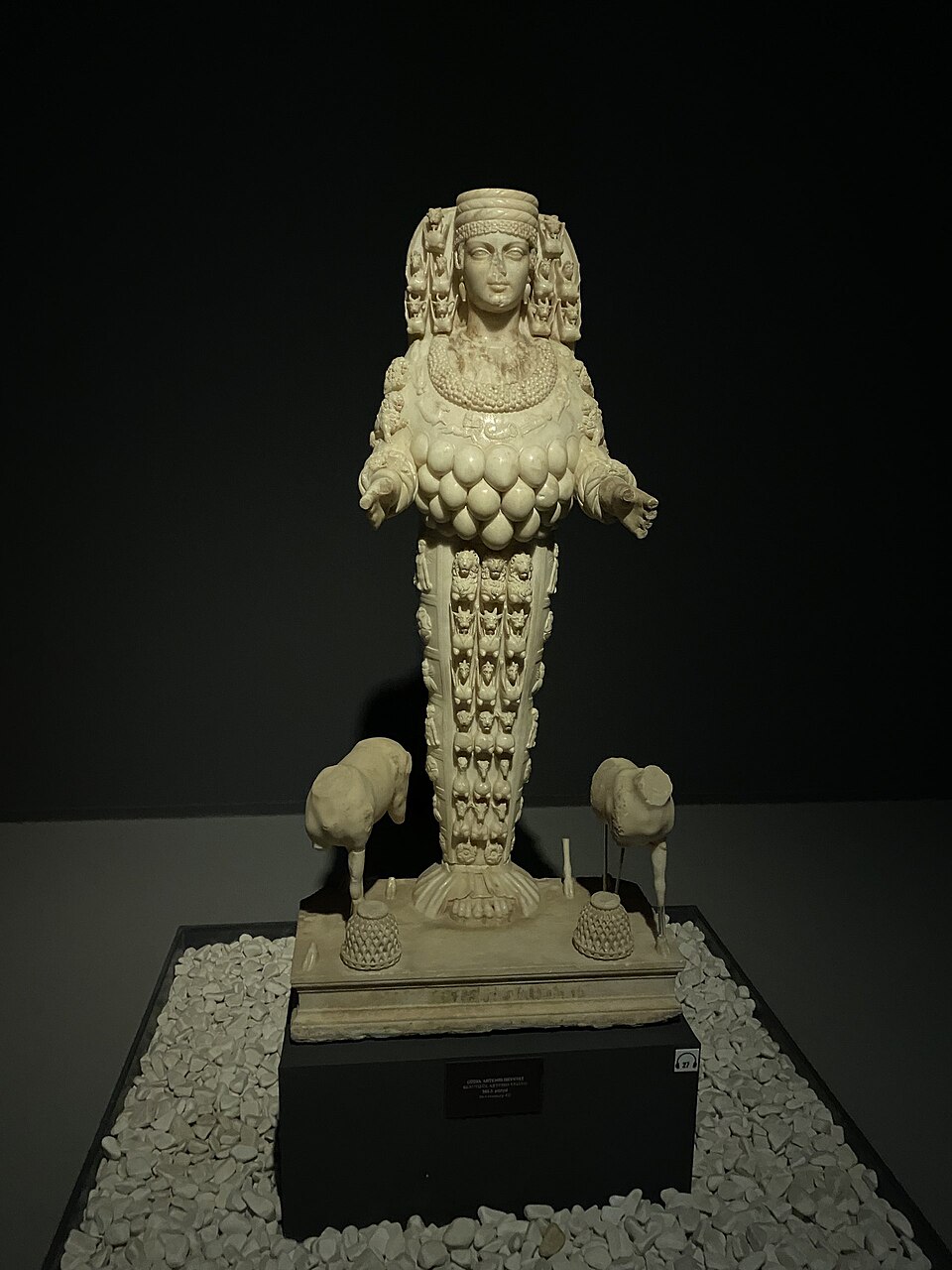
The Turkish Museums listing identifies the Ephesus Artemis sculptures among the museum's most notable works. Their elaborate surfaces reward time: look at the headdress, repeated motifs and the way the figure presents the goddess as a distinct Ephesian image. Then compare that intimate encounter with the physical remains of the Temple of Artemis. UNESCO records the sanctuary as a major pilgrimage destination and one of the ancient world's Seven Wonders, while noting that little of the building survives. Seeing the sculpture before or after the temple site makes the gap between the cult's historical importance and today's sparse ruins much easier to grasp. Avoid assuming that every ancient image used the same visual language.
Look beyond the headline objects
The museum's official description also names Eros figures, Priapos, Isis, a priest figure, coins and jewellery. These are not simply extra exhibits to pass on the way to Artemis. They suggest different aspects of life across the long history of the region: devotion, display, exchange and personal adornment. Spend a few moments choosing one case that you would normally skip. Read its label and ask where the object came from, what material it uses and what remains uncertain. That habit is more rewarding than trying to memorize every name. Displays and object positions can change, so use the labels in front of you as the final word on what you are seeing that day.
What the museum can and cannot tell you
A display case preserves an object, but it also removes that object from the light, sound and spatial setting in which it was first used. Carry an image of the site in your mind as you walk through the galleries. A statue can suggest a sanctuary, a coin can point to exchange, and a piece of jewellery can make a resident's daily choices feel less abstract. Yet a single object rarely proves a complete story on its own. Archaeologists combine finds with building remains, inscriptions and careful study of context. The Austrian Archaeological Institute's Selçuk branch continues to support research, conservation and documentation of Ephesus material. The museum is best approached as a window into that ongoing work, not a finished answer to every question.
Plan the visit without rushing your ship
If you are arriving on a cruise, work backwards from the ship's all-aboard time. First reserve enough time for the return drive to Kuşadası and a sensible margin for traffic and port procedures. Then decide whether the museum fits after the ancient city. Some guests will prefer more time in the Terrace Houses; others will gain more from a calm museum visit. Trying to add every nearby attraction can turn a memorable day into a checklist. Share your ship name and return deadline when enquiring about a private Kuşadası shore excursion. We can discuss a route that suits the time available rather than promise a stop that makes the return uncomfortable.
Check practical details at the source
The museum is listed by Türkiye Museums at Atatürk Mahallesi, Uğur Mumcu Sevgi Yolu No. 26 in Selçuk. Opening arrangements, ticket rules and display areas can change, so check its official page close to your travel date instead of relying on an old blog post or screenshot. The same principle applies to Ephesus itself. If mobility, heat or time are concerns, decide in advance how much walking you want to do at the ancient site and where you would welcome a seated break. Keep water and sun protection in mind for the outdoor portion. Once inside the museum, allow yourself time to read rather than simply move from room to room.
A simple route to remember
Think of the day in three chapters. First, see the city at human scale: its streets, theatre and monumental buildings. Second, meet the objects in Selçuk that give those spaces texture and detail. Third, if your schedule genuinely allows it, consider the Artemis site as a brief reflection on what has been lost. You do not need all three to have a complete visit. The strongest itinerary is the one that gives each chosen stop enough attention. For background before travelling, read our cruise-port planning guide. It explains how to protect the return to your ship while leaving space for the parts of Ephesus that interest you most.
Choose either a longer archaeological walk or a quieter museum visit when your port call is short; leave a comfortable return margin.